
Cold Chain Logistics: Managing Risk, Capacity, and Compliance
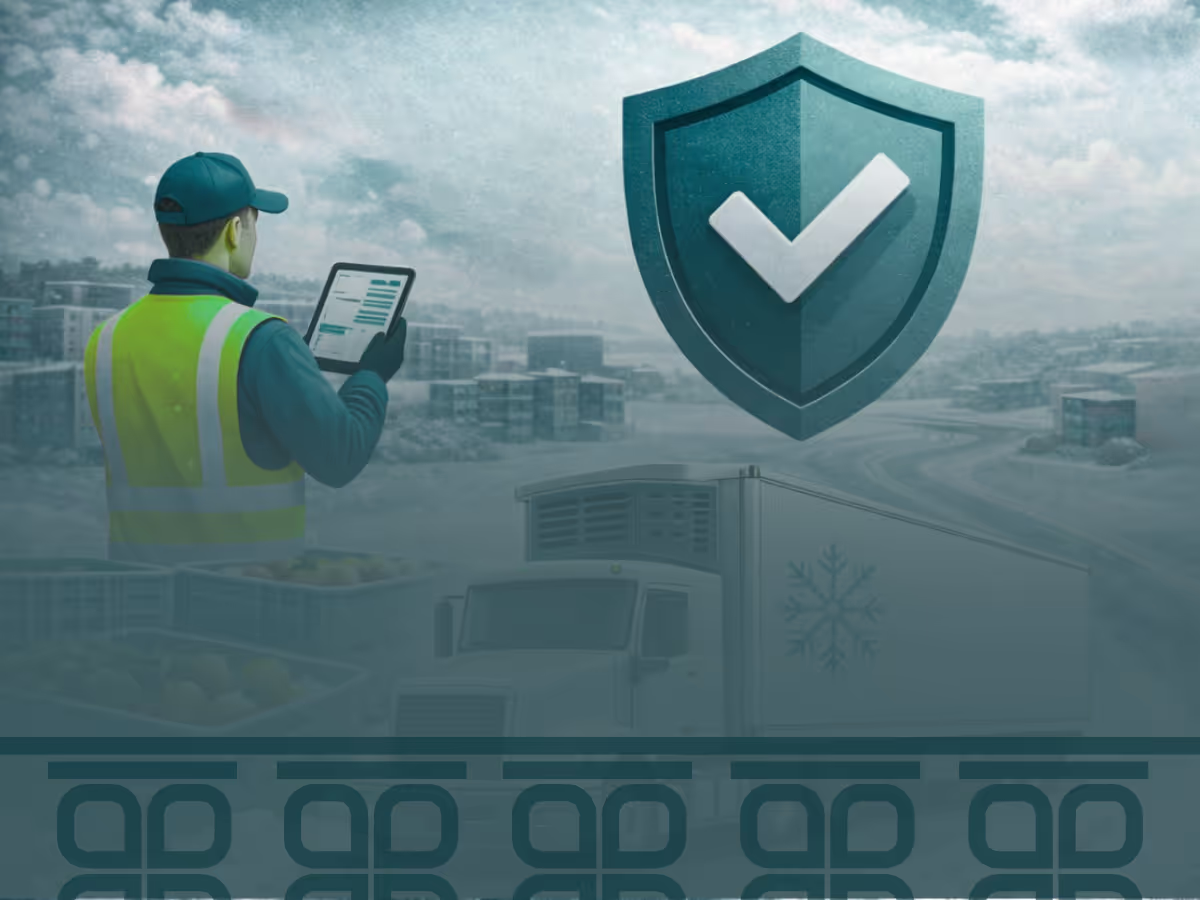
Cold chain logistics leaves no room for error. Unlike dry freight, temperature-controlled shipments operate within narrow tolerances where a single breakdown; equipment failure, missed appointment, or communication gap can result in product loss, compliance exposure, and damaged customer relationships.
As freight markets grow more volatile and capacity tightens, cold chain risk is increasing, not decreasing. This post outlines the unique challenges of cold chain logistics, and the strategies shippers use to protect product integrity, service levels, and brand reputation.
Why Cold Chain Freight Is Uniquely Vulnerable
Temperature-controlled freight faces a higher concentration of risk than most other modes:
- Strict temperature tolerances that leave little margin for error.
- Regulatory scrutiny around food safety and traceability.
- Time sensitivity tied to shelf life and downstream production.
Small issues that might be survivable in dry freight often become catastrophic in cold chain. Case in point, read The Cost of Cutting Corners in Perishable Freight Shipping: Why Cheap Can Cost You More.
Capacity Challenges in the Reefer Market
Reefer capacity behaves differently than general truckload capacity.
Seasonal Imbalances
Produce seasons, holidays, and weather-driven demand shifts can tighten capacity quickly, often with little warning. For reference, read our post Cold Chain Resilience: Lessons from Recent Supply Chain Disruptions.
Carrier Selectivity
As operating costs rise, carriers become more selective, prioritizing freight that minimizes risk and maximizes utilization.
Rate Volatility as a Warning Signal
When reefer spot rates approach or exceed contract rates, it is often an early indicator of broader disruption. What more insight, read our post on Freight Market Strategy.
Managing Temperature Risk Across the Shipment Lifecycle
Effective cold chain management requires discipline before, during, and after transit.
Pre-Load Planning
- Equipment verification and pre-cooling.
- Clear temperature and handling instructions.
- Carrier qualification for cold chain freight.
In-Transit Monitoring
- Real-time temperature visibility.
- Proactive alerts, not just historical reporting.
- Human response when exceptions occur.
Post-Delivery Accountability
- Documentation review.
- Root-cause analysis.
- Continuous improvement loops.
We cover this more in our post on Operations, Execution & Risk Management.
Compliance and Regulatory Considerations
Cold chain compliance is becoming more complex.
FSMA 204 and Traceability
New regulations place greater emphasis on:
- Recordkeeping.
- Data accessibility.
- Rapid response during recalls or investigations.
Compliance is not just a paperwork exercise; it requires operational alignment.
What to learn more? Read How the FDA’s FSMA 204 Rule Is Changing Cold Chain Logistics.
Why Technology Alone Is Not Enough
Temperature sensors and visibility tools are essential, but insufficient on their own.
Without experienced teams interpreting data and acting decisively, alerts become noise. Successful cold chains pair technology with process discipline and human judgment. Read how to pair the two in our post on Technology, Data & Innovation.
How Strategic Cold Chain Partners Reduce Risk
The right logistics partner functions as a risk manager, not just a load mover.
Key differentiators include:
- Proven cold chain carrier networks.
- Defined escalation protocols.
- Accountability when things go wrong.
Cold chain success depends less on perfect conditions and more on how quickly issues are identified and resolved. The right partners become even more critical. Learn more in our Service First philosophy post.
Protect Your Cold Chain Before the Market Forces Your Hand
Cold chain failures rarely come from a single event. They come from weak planning exposed by volatility.
Planning ahead for peak season or weather-driven disruption? We discuss this in more detail in our post on Weather, Disruptions & Supply Chain Resilience.
If tightening capacity, rising rates, or compliance pressure are creating risk in your temperature-controlled network, now is the time to evaluate your strategy.
Talk with SFL Companies about building a cold chain plan designed for volatility, not just today’s conditions. Our team helps shippers secure reliable reefer capacity and build execution playbooks before risk escalates.

.avif)
.avif)