
Every shipper faces pressure to control costs. Seeing a low rate on the board can feel like a win, but the reality is that the cheapest option often ends up costing far more over time. Low rates rarely come from efficient operations or superior service. Instead, they are usually offered by carriers running on razor-thin margins. These thin margins often translate into compromised maintenance, stretched staffing, and unreliable service.
As someone who has worked in logistics for nearly a decade, I have seen the same patterns repeat across every mode and market. What looks like a “good deal” today can quickly turn into a chain of issues that impacts both cost and trust. Understanding these risks and planning accordingly is essential for maintaining a resilient supply chain.
1. Thin Margins Lead to Operational Shortcuts
When carriers or brokers price freight too low, they are forced to make trade-offs to remain profitable. The first areas to be affected are operations, equipment, and personnel. Some common signs include:
- Vehicles that are overdue for maintenance or not properly inspected
- Fewer drivers available to handle volume spikes
- Dispatch teams stretched too thin to proactively manage issues
These shortcuts can quickly translate into missed appointments, delayed updates, damaged freight, and longer transit times. In other words, what appears as a small savings on the rate sheet can quickly become a larger cost once shipments begin experiencing operational issues on the road.
For example, consider a carrier offering an extremely low rate on a time-sensitive shipment. To make the numbers work, the carrier may assign an overworked driver who is handling multiple loads at once. If the truck breaks down or misses its delivery window, your company bears the consequences through detention fees, rescheduling costs, or even penalties from your customer. That “winning rate” may end up costing multiples of the initial savings, all while creating operational headaches for your team.
These operational shortcuts also increase risk in ways that are hard to quantify. Overworked drivers are more likely to make mistakes, maintenance corners can lead to compliance issues, and stretched dispatch teams may fail to communicate delays until it is too late to prevent cascading problems. Over time, repeated reliance on the lowest-cost carriers compounds these risks, creating a fragile network that is highly sensitive to disruptions.
2. Cheap Rates Increase the Risk of Service Failures
While thin margins can drive operational shortcuts, they also create systemic risk for your supply chain. Some of the most common problems associated with low-cost carriers include:
- OS&D (overages, shortages, and damages)
- Frequent equipment breakdowns
- Detention and layover issues
- Loads being rejected at the dock or reassigned at the last minute
Each of these issues comes with tangible costs such as re-delivery fees, storage charges, or accelerated shipping expenses to meet commitments. Beyond the financial impact, service failures place stress on your team and strain relationships with key customers.
I have worked with carriers who aggressively discounted their pricing to win new business. Within weeks, staffing levels could not keep up with the volume, leading to multiple delayed shipments. Re-deliveries, penalty fees, and frustrated receivers quickly erased any perceived savings from the low rates. Meanwhile, the shipper’s operations team spent hours troubleshooting delays, tracking down loads, and communicating with affected customers.
The lesson here is simple: while a low rate may look good on paper, it can hide significant operational and service risk. Choosing carriers solely based on price increases the likelihood of service failures, which can be much more costly in both dollars and reputation than paying slightly more for a reliable partner.
3. The Real Cost Is Damaged Customer Trust
Operational issues create direct costs, but the more significant long-term expense is the erosion of trust with your customers. Missed deliveries, damaged freight, or lack of communication do not reflect solely on the carrier—they reflect on your company. Customers expect reliability, and even a single failure can impact your credibility.
Consistency, rather than chasing the lowest rate, is what builds trust. Reliable service leads to repeat business, better relationships with key accounts, and fewer last-minute emergencies. Companies that prioritize service quality over the cheapest quote often save far more in the long run through stability, efficiency, and preserved reputation.
For example, one shipper I worked with switched to the lowest-cost carrier for several high-volume lanes. Initially, costs dropped slightly, but service failures quickly accumulated. A series of late deliveries and damaged shipments led to complaints from major customers, who subsequently reduced their order volumes with the shipper. In the end, the short-term savings were outweighed by lost revenue, additional operational costs, and the effort required to repair relationships.
4. How to Protect Your Supply Chain From Rate-Driven Risk
Understanding the hidden costs of chasing cheap rates is the first step toward protecting your network. From there, shippers can take proactive measures to reduce risk and maintain reliability:
Evaluate Carriers Holistically
Look beyond the rate sheet. On-time performance, service history, equipment quality, and reliability should all factor into your decision-making. A carrier that consistently delivers on time and communicates proactively provides far more value than one offering a slightly lower price but frequent failures.
Build Strong Relationships
Long-term relationships with trusted carriers ensure access to capacity during peak periods and create a foundation of reliability. Carriers who know your expectations and priorities are more likely to go the extra mile when issues arise.
Consider Total Cost of Transportation
The lowest rate does not always equate to the lowest total cost. Factor in detention, re-delivery, OS&D, and administrative overhead when comparing carriers. Often, a slightly higher rate from a reliable partner is cheaper in the long run when total costs are considered.
Plan for Consistency
A consistent and reliable carrier network reduces volatility and risk. Slightly higher rates for service quality and dependability often result in fewer disruptions, fewer surprises, and better long-term financial outcomes. Predictable performance allows your operations team to plan more effectively, reducing emergency interventions and unplanned costs.
Leverage Data and Insights
Monitor carrier performance and market trends closely. Real-time data on lane rates, capacity availability, and operational issues can help you anticipate potential disruptions before they affect your shipments. Data-driven decision-making reduces the chance of relying on carriers that are under pressure or struggling financially.
Case Studies and Real-World Examples
Case Study 1: Operational Shortcuts
A regional shipper switched to a carrier offering rates 15% below market average. Within weeks, dispatchers were overloaded, and drivers were handling more loads than their routes could safely support. Equipment failures became frequent, and deliveries were missed. Although the initial rates appeared attractive, the shipper incurred additional costs through detention, re-delivery, and overtime staff hours.
Case Study 2: Service Failures
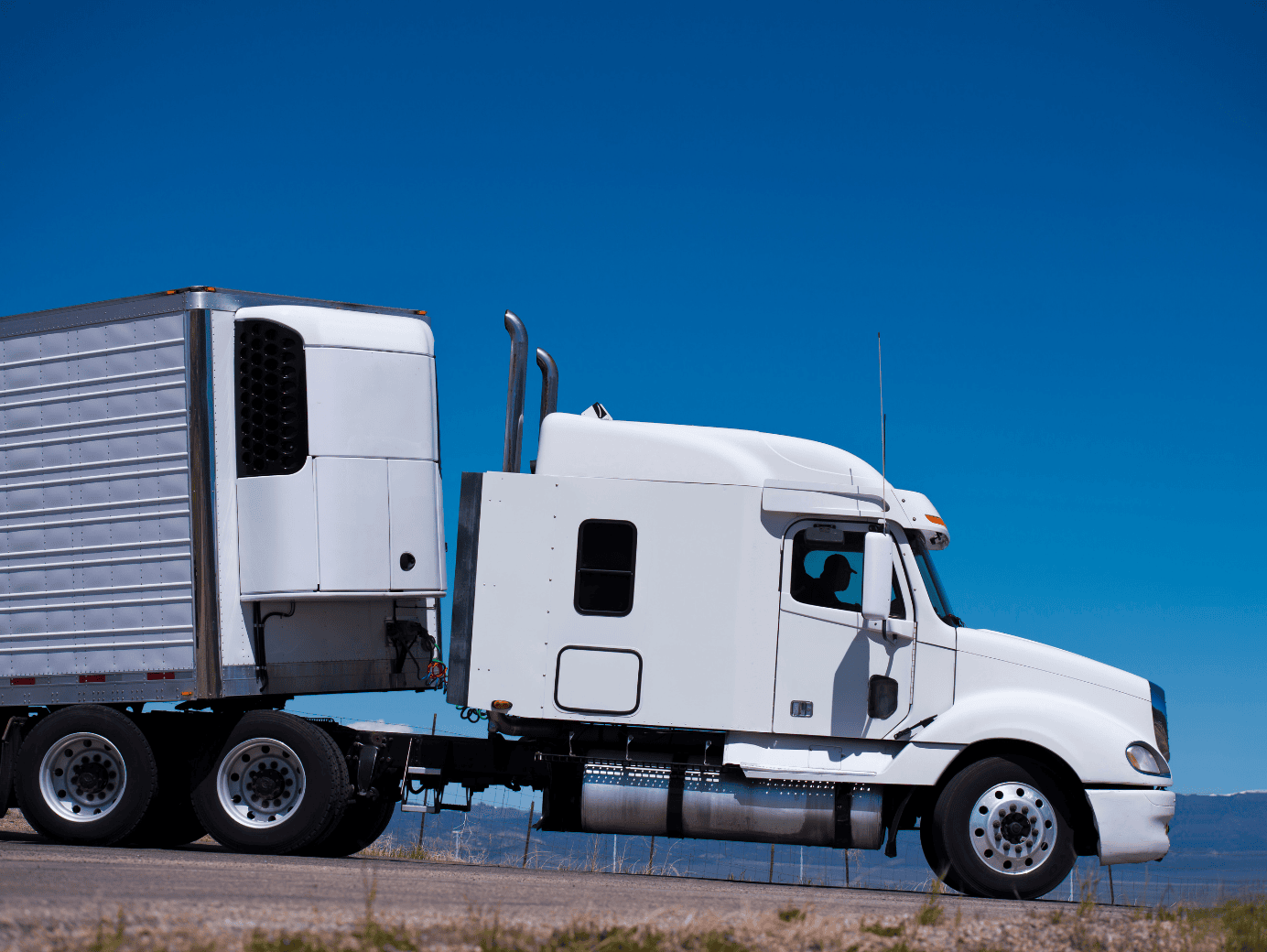
A national distributor selected a low-cost carrier for refrigerated freight. Over a holiday period, the carrier’s limited capacity led to OS&D incidents and missed appointments. By the time alternative carriers were arranged, spoilage had occurred on multiple shipments. In total, the “savings” from the low rates were completely offset by the cost of lost product and damage to customer relationships.
Key Takeaways
- Low rates often come at a hidden cost. Thin margins can lead to operational shortcuts, staffing challenges, and deferred maintenance.
- Chasing the cheapest carrier increases the risk of service failures and systemic supply chain disruptions.
- Reliability, consistency, and strong carrier relationships create long-term savings and preserve customer trust.
- A slightly higher rate with a proven, dependable carrier is often the most cost-effective choice in the long run.
- Use data, performance metrics, and proactive monitoring to anticipate risk before it becomes a costly issue.
About the Author: Albert Mathewson, Senior Supply Chain Strategist at Service First Logistics
This perspective comes from Albert Mathewson, a Senior Supply Chain Strategist at Service First Logistics with nearly ten years of experience in refrigerated, dry van, flatbed, oversize, and cross-border freight. Albert specializes in helping shippers reduce risk, stabilize carrier networks, and make data-driven decisions that protect both cost and customer trust.
If you want to improve your rate strategy or ensure your network remains reliable in a volatile market, Albert is available to share insights and practical recommendations.