Why Some Cold Facilities Get Skipped by Reefer Carriers During Peak Season
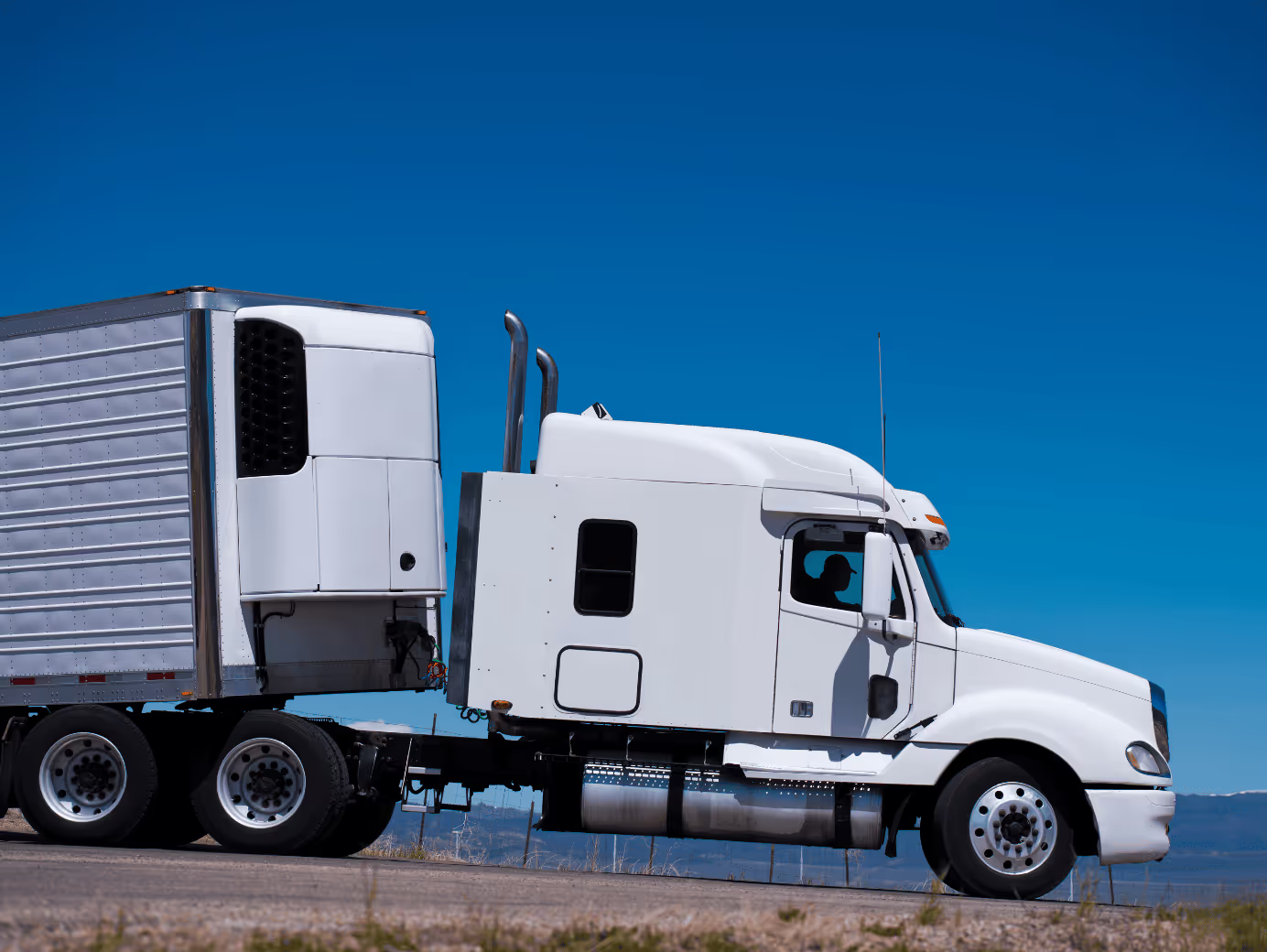
Some cold storage facilities are getting skipped by reefer carriers during peak season. Not because of rates. Because of dwell.
Carriers talk. When a facility runs consistent two-hour door turns, misses appointment windows, or sends drivers to a dock before the trailer is even pre-cooled, that reputation spreads fast. Dispatch managers and owner-operators both remember which shippers waste their time. During a tight market, those shippers quietly get moved to the bottom of the list.
This is a real problem in produce and food logistics, and it gets worse every summer. Reefer capacity tightens as California stone fruit, Pacific Northwest cherries, and Southeast watermelon volume all hit the market within the same six-week window. Carriers have choices. They will take loads from shippers who respect their time over shippers who don't, even if the rate is similar.
So what are the facilities that consistently win refrigerated freight capacity doing differently? A few things, and none of them require new technology.
Pre-Cooling Is Not Optional, It's a Scheduling Commitment
One of the most common friction points between cold facilities and reefer carriers is trailer pre-cooling. The standard expectation in temperature-controlled shipping is that a trailer is pre-cooled to the required set point before loading begins. That sounds obvious. In practice, it often doesn't happen.
What happens instead is the driver arrives, gets assigned a door, and then waits while the trailer catches up to temperature. For a load requiring 34 degrees F, that can take 45 minutes to over an hour depending on ambient conditions. The driver's clock is running. The reefer unit is burning fuel. And the carrier is absorbing a cost that should belong to the shipper.
Facilities that win capacity treat pre-cooling as part of the appointment, not something that starts when the driver shows up. If your appointment is at 8 AM, the trailer should be at temperature by 7:45 AM. That means coordinating with your yard team and building pre-cool time into your door assignment process. It is a process change, not a capital investment.
A produce shipper in the Salinas Valley who made this change reported that their average door turn dropped from 110 minutes to under 70 minutes across their busiest doors during peak lettuce season. That difference compounds across dozens of loads per week and directly affects how carriers view that facility.
Door Staffing Needs to Match Appointment Windows, Not Shift Schedules
Here is a pattern that shows up constantly in cold chain operations: a facility books appointments across a wide window, say 6 AM to 2 PM, but staffing is built around a shift that doesn't fully kick in until 7:30 AM. Drivers with 6 AM appointments sit. The facility isn't technically late. But the driver is stuck.
Carriers do not distinguish between "the dock wasn't ready" and "the crew wasn't fully there yet." Both show up as dwell. Both get remembered.
Facilities that maintain strong carrier relationships in food logistics match staffing to the actual appointment schedule. If you book a 6 AM slot, someone is ready at 6 AM. If Friday afternoon appointments are chronically slower because people are watching the clock toward the weekend, you either fix that culture or you stop booking Friday afternoon appointments.
This also applies to lumper coordination. If your facility uses lumper services, delays in lumper availability are your problem to solve, not the carrier's problem to absorb. A frozen food distribution center in the Midwest that built lumper pre-staging into their appointment confirmation process cut their average carrier wait time by over 30 minutes on inbound loads. Simple fix. Real impact on carrier willingness to cover that facility.
Rejected Loads Need a Process That Doesn't Leave a Carrier Stranded
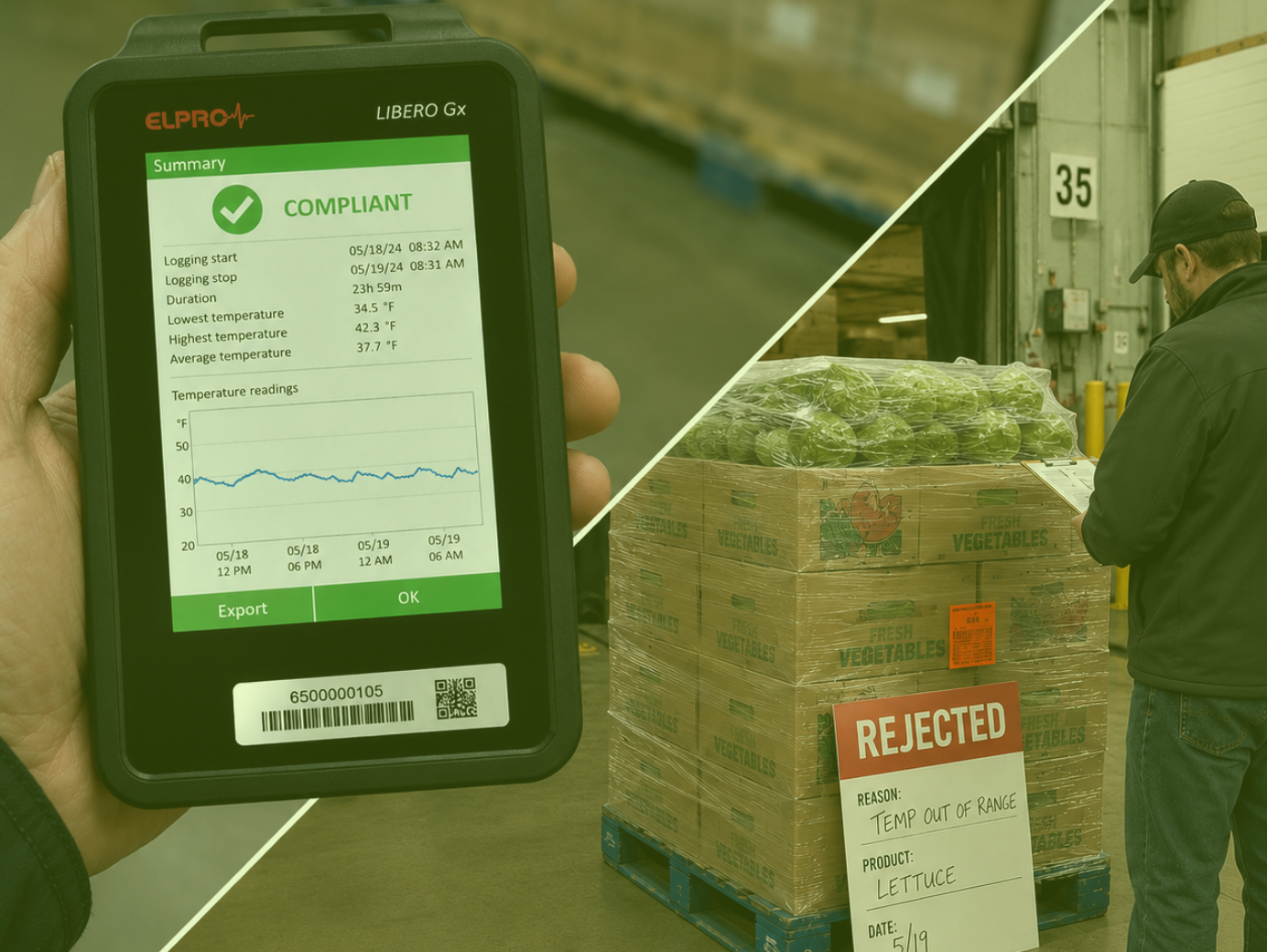
Rejected loads happen. Produce doesn't always travel well. Temperature excursions occur. Quality issues come up at the receiver. That is part of food logistics. How a facility handles a rejection is what separates the ones carriers will come back to from the ones they avoid.
The worst version of a rejection from a carrier's perspective looks like this: driver arrives at the receiver, load gets rejected, and then nobody knows what to do. The driver is calling the shipper. The shipper is calling their broker. The broker is trying to find a secondary buyer. Meanwhile the driver is sitting at a dock with a reefer unit running and no clear next step. Hours pass. The carrier eats the cost.
Facilities that handle this well have a rejection protocol written down and communicated to their freight broker before peak season starts. That protocol should answer: Who makes the call on redirecting the load? What is the authorization chain? Is there a secondary buyer or donation contact already identified? What is the detention trigger and who approves it?
Working with an experienced freight broker who specializes in cold chain logistics matters here. A broker who handles produce and temperature-controlled shipping regularly will have dealt with rejected load scenarios and can help you build a response process that protects both the shipper and the carrier relationship.
Driver Time Has a Dollar Value, and Facilities That Ignore It Pay for It Eventually
The underlying theme across all of these issues is the same: driver time has a real cost, and facilities that treat it as free will eventually pay for it in capacity.
A reefer driver running 500 miles per day at current spot rates is generating meaningful revenue per hour when they are moving. When they are sitting at your dock, that revenue is gone and does not come back. Most carriers have informal detention policies that kick in after two hours. But the financial damage to the driver often starts well before the formal detention clock.
During peak season in produce and food logistics, when reefer capacity is tightest and rates are highest, carriers allocate their trucks toward the shippers who move them efficiently. This is not a negotiating position. It is just how dispatchers and owner-operators make decisions when they have options.
The shippers who build a reputation for clean, fast turns, pre-cooled trailers, accurate appointment windows, and clear communication will have better access to refrigerated freight capacity when summer volume peaks. That reputation is built load by load, long before the crunch hits.
If you manage a cold facility or route freight into one and want to think through where your biggest dwell vulnerabilities are, SFL works with produce shippers and cold chain operations every day. We can help you look at your current process and figure out what is actually affecting your carrier relationships. Reach out and let's talk through it.